
The current version of the Tecniplast website doesn't match your region. Please visit your local website to find information and offerings specific to your country.
The current version of the Tecniplast website doesn't match your region. Please visit your local website to find information and offerings specific to your country.


The field of laboratory animal science is entering a transformative new era. Around the world, research institutions are re-evaluating how animal facilities are designed, operated, and integrated within the broader scientific ecosystem. Digitalisation, automation, and artificial intelligence are no longer distant aspirations, they are rapidly becoming the foundational pillars of next-generation research infrastructure.
At the same time, the accelerating development of New Approach Methodologies (NAMs), including organoids, organ-on-chip technologies, and AI-driven computational models, is reshaping the landscape of drug discovery and biomedical research. While animal models continue to play an indispensable role in understanding complex biological systems, assessing safety and efficacy, and addressing emerging public health challenges, the industry is increasingly exploring how these innovative methodologies can coexist with and complement traditional in vivo research.
Against this evolving backdrop, Tecniplast China proudly hosted the 7th LAS Short Course, bringing together leading experts, researchers, principal investigators, and facility managers to address one of the most critical questions facing the industry today: How can laboratory animal facilities evolve alongside AI, digital technologies, automation, and NAMs to support the next generation of scientific discovery?
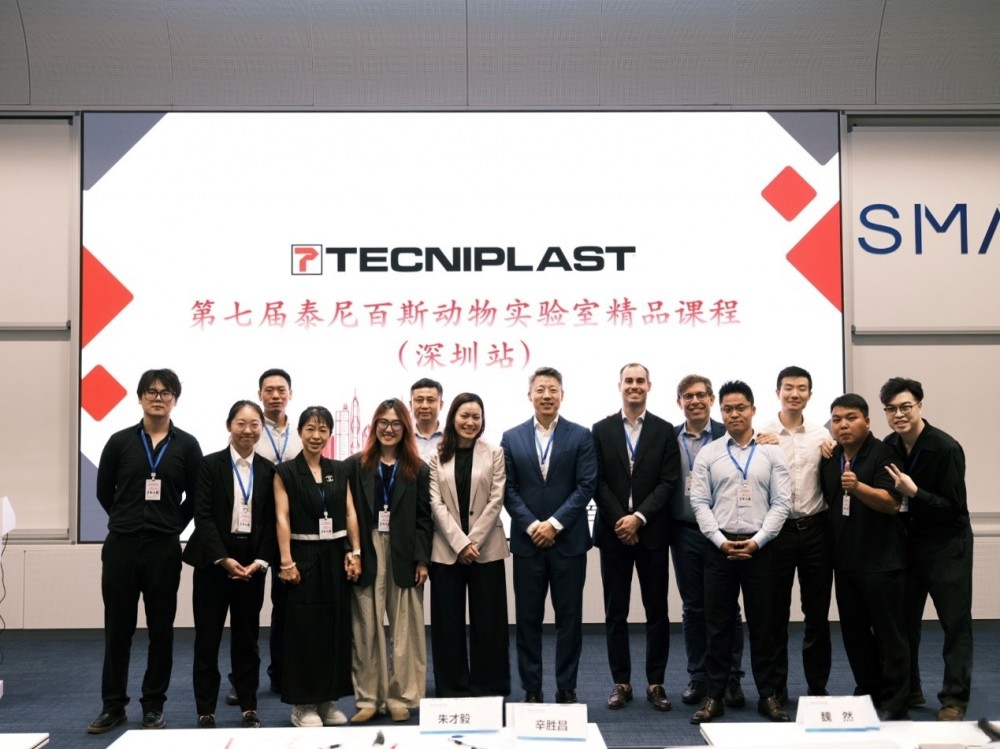
Held under the theme “Animal Facility Design, Selection, Implementation and Validation in the AI Era – From Concept to Reality”, the course travelled across Shanghai, Beijing, and Shenzhen, attracting more than 200 professionals from academia, research institutes, pharmaceutical companies, and laboratory animal facilities. Together, participants explored the technologies, strategies, and innovations shaping the future of laboratory animal science.
Now in its seventh session, the Tecniplast China LAS Short Course has established itself as a leading platform for knowledge exchange and collaboration within the laboratory animal science community. Beyond addressing current operational challenges, the course also serves as a forum for exploring the broader trends shaping the future of research infrastructure and scientific innovation.
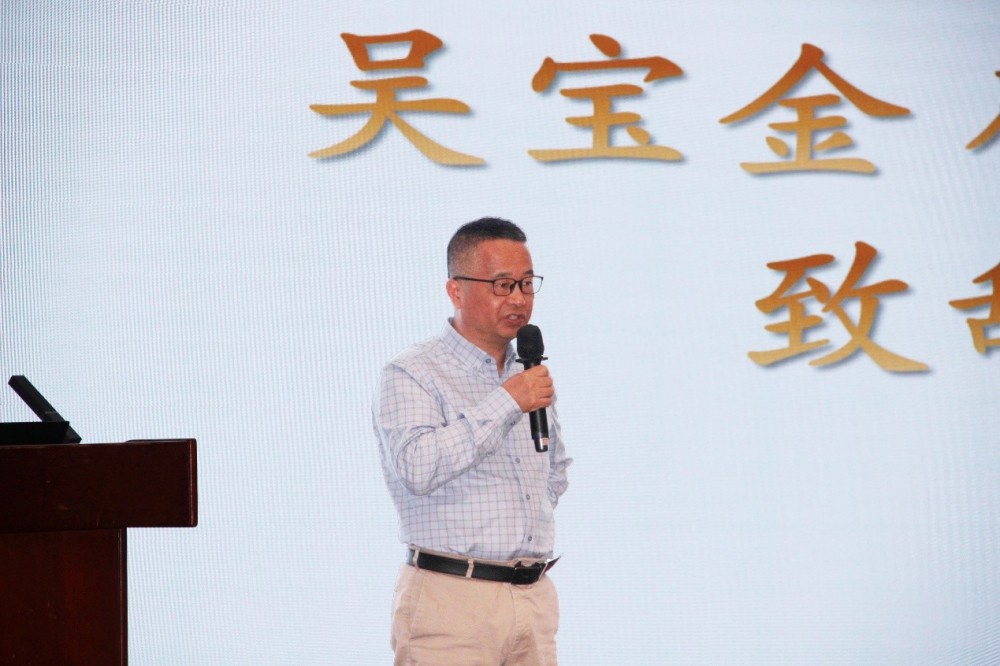
The course opened with remarks from several distinguished leaders in the field, including Baojin Wu, Chairman of Shanghai Laboratory Animal Science Association; Yansong Sun, Chairman of the Beijing Laboratory Animal Science Association; and Caiyi Zhu, President of the Guangdong Biotechnology Research Institute. Their speeches highlighted the evolving needs of modern scientific research, the increasing importance of innovation in laboratory animal science, and the vital role of collaboration in advancing the industry.
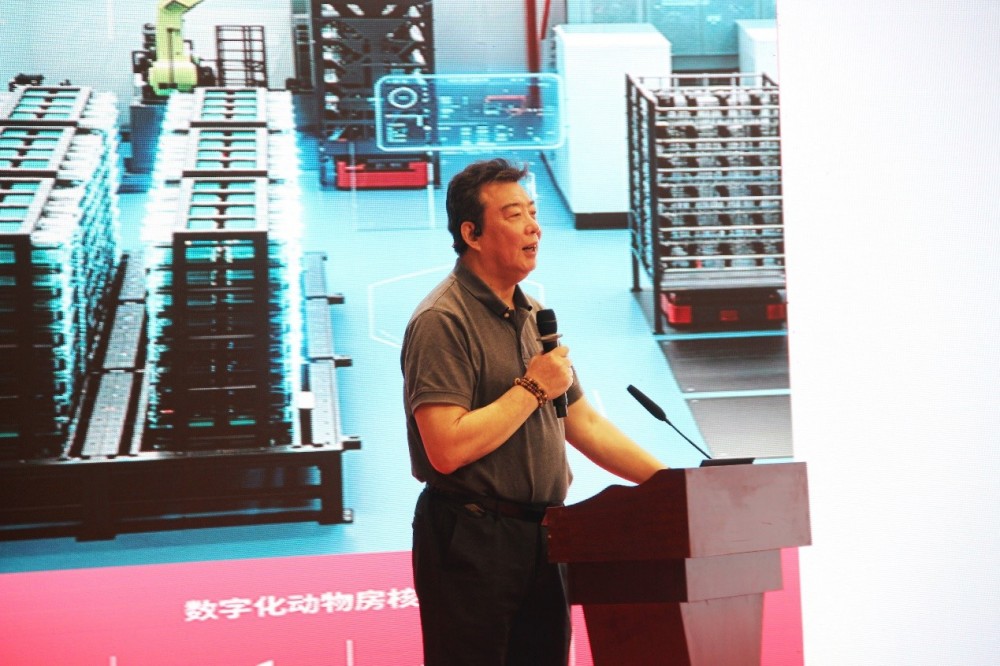 Yansong Sun, Chairman of the Beijing Laboratory Animal Science Association
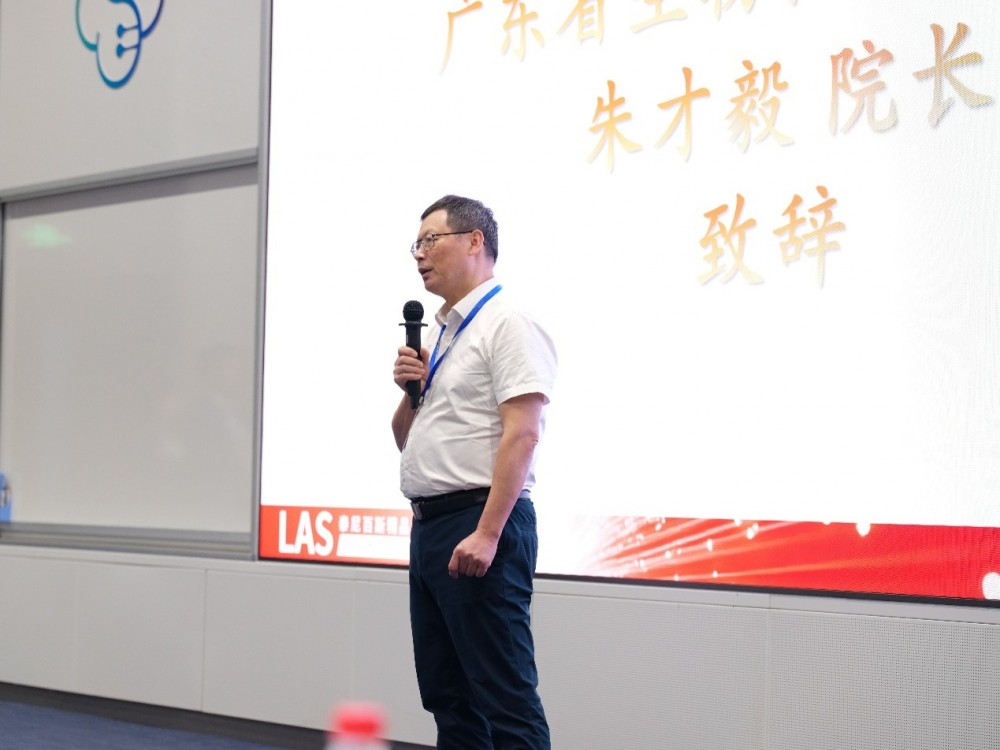 Caiyi Zhu, President of the Guangdong Biotechnology Research Institute.
The programme opened with a keynote presentation by Ran Wei, General Manager of Tecniplast China, titled:
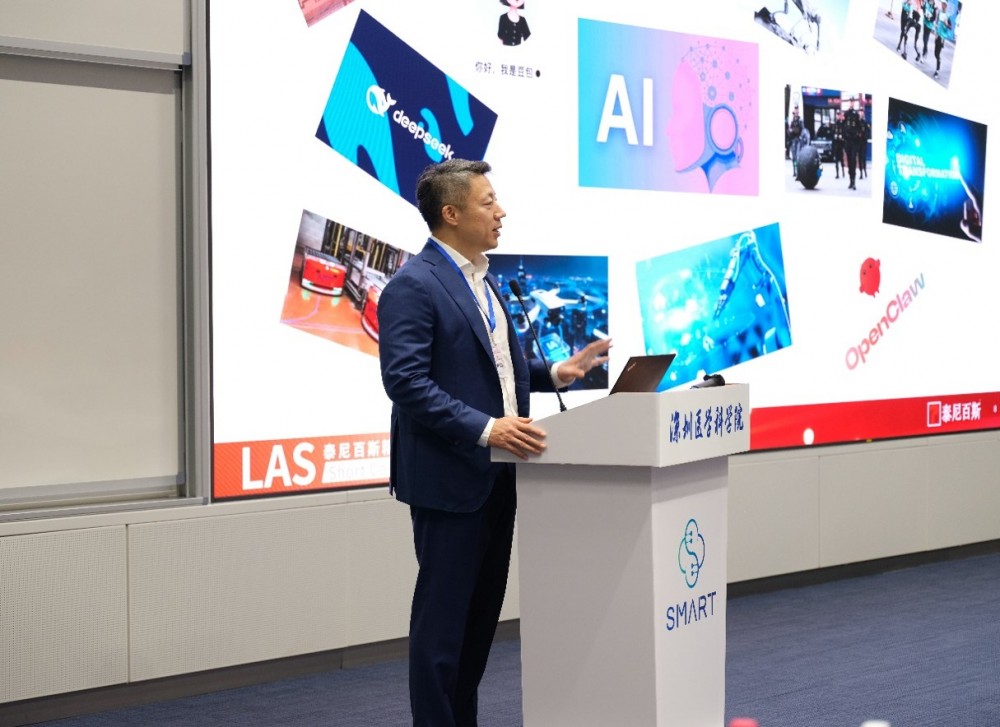
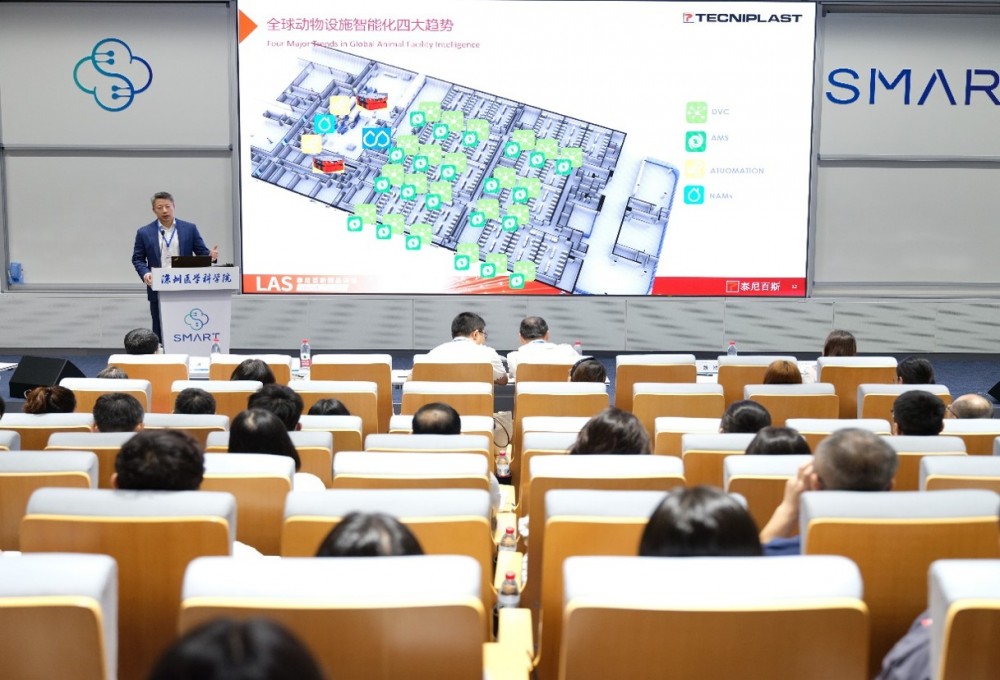
The presentation provided a comprehensive overview of how AI, emerging NAMs, and laboratory animal science are increasingly converging to shape the future of biomedical research. As laboratory animal facilities become more interconnected and data-driven, technologies such as IoT, cloud computing, big data analytics, AI, and automation are accelerating the development of next-generation intelligent research environments.
By integrating continuous monitoring, automated husbandry systems, advanced environmental controls, and real-time data analytics, these facilities can generate actionable insights that not only improve operational efficiency and research quality, but also support higher standards of animal welfare.
The course further examined five key pillars driving this transformation:
A. Animal Management Systems (AMS)
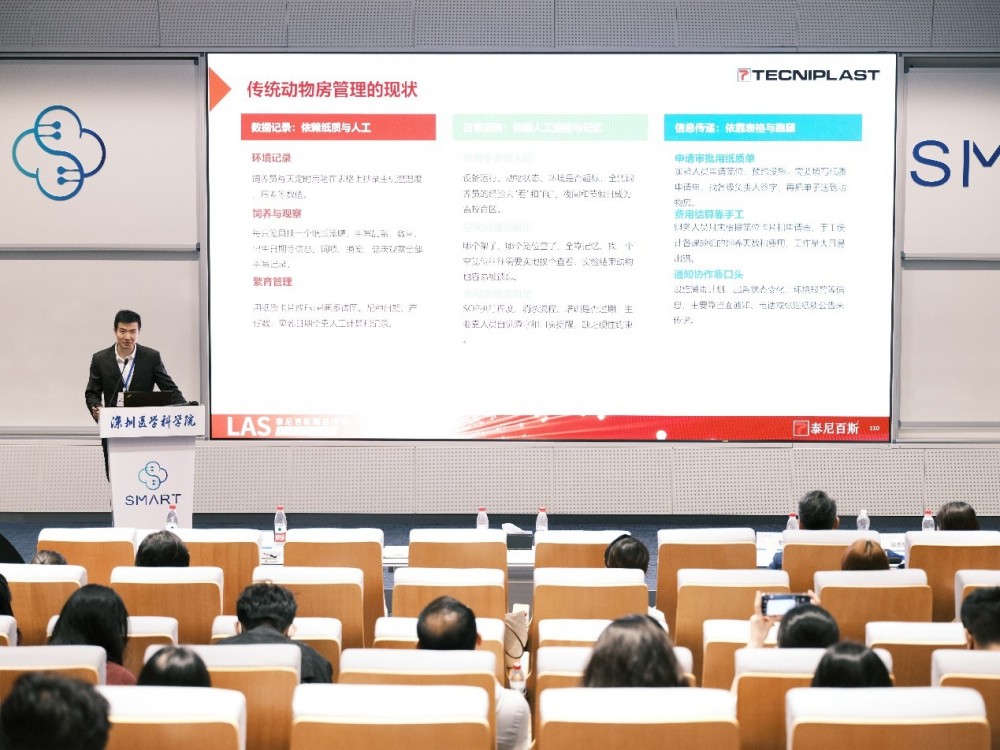
Yuanzhe Jiang | Building a Digital Ecosystem for Animal Facilities
The session explored how integrated digital platforms can help animal facilities streamline daily operations, enhance data traceability, and support more informed, data-driven decision-making throughout the entire facility lifecycle.
B. Digitalisation & Smart Caging
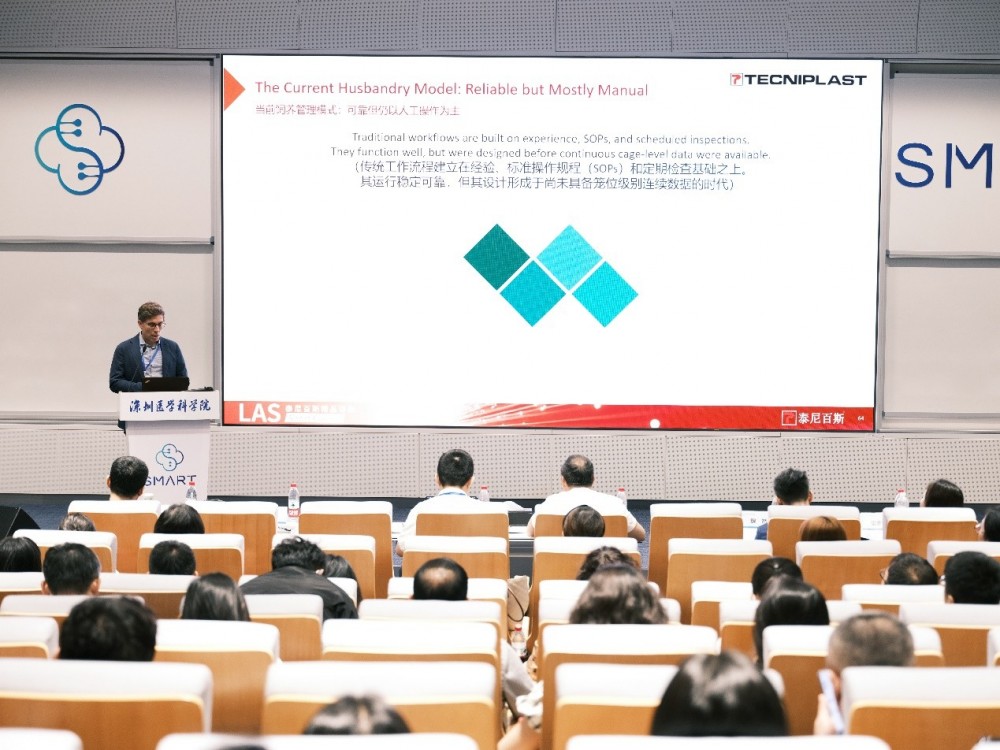
Giorgio Rosati | Digital Upgrade and Validation Process for Animal Housing Cages
The session provided practical insights into the implementation and validation of digital technologies within existing animal facility environments, highlighting how smart caging solutions can support operational efficiency, data integration, and facility modernisation.
C. Automation
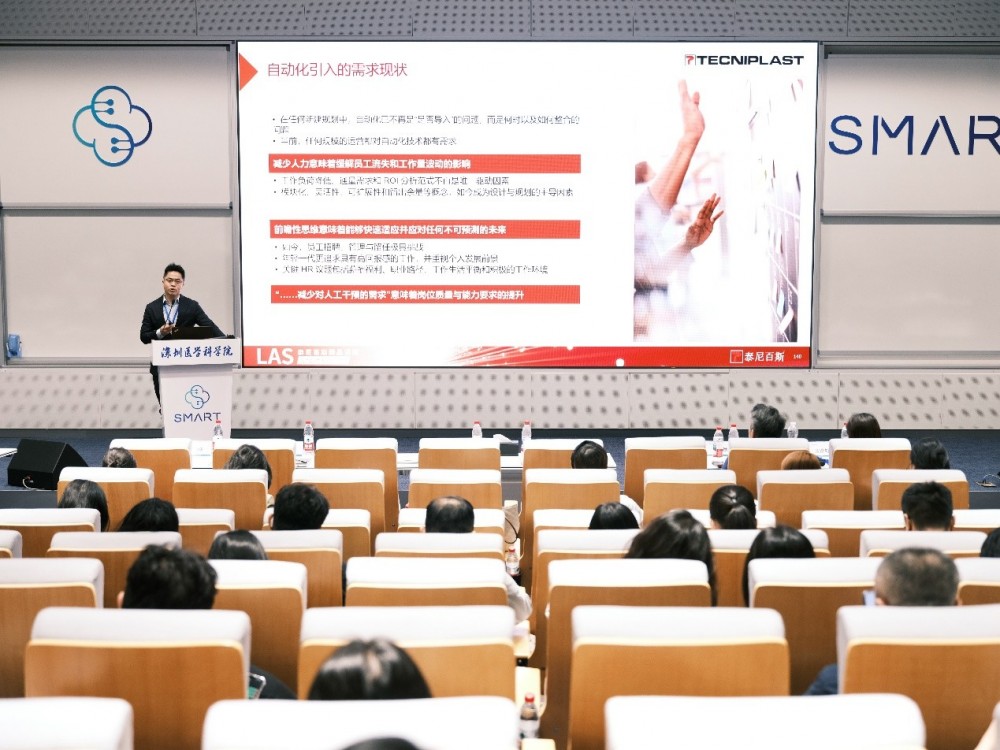
Chenyan Lu | Automation Solutions and Implementation Strategies for Animal Facilities
The session examined how Tecniplast integrates advanced automation solutions, including robotic arms and automated handling systems, to streamline both clean and dirty applications in biomedical research facilities.
D. Automatic Watering System
Qi Sheng | Building a Successful Smart Watering Infrastructure
The sesion explored key considerations for developing reliable, data-driven watering systems in laboratory animal facilities, with a focus on supporting both animal welfare and overall facility performance through smarter infrastructure design and management.
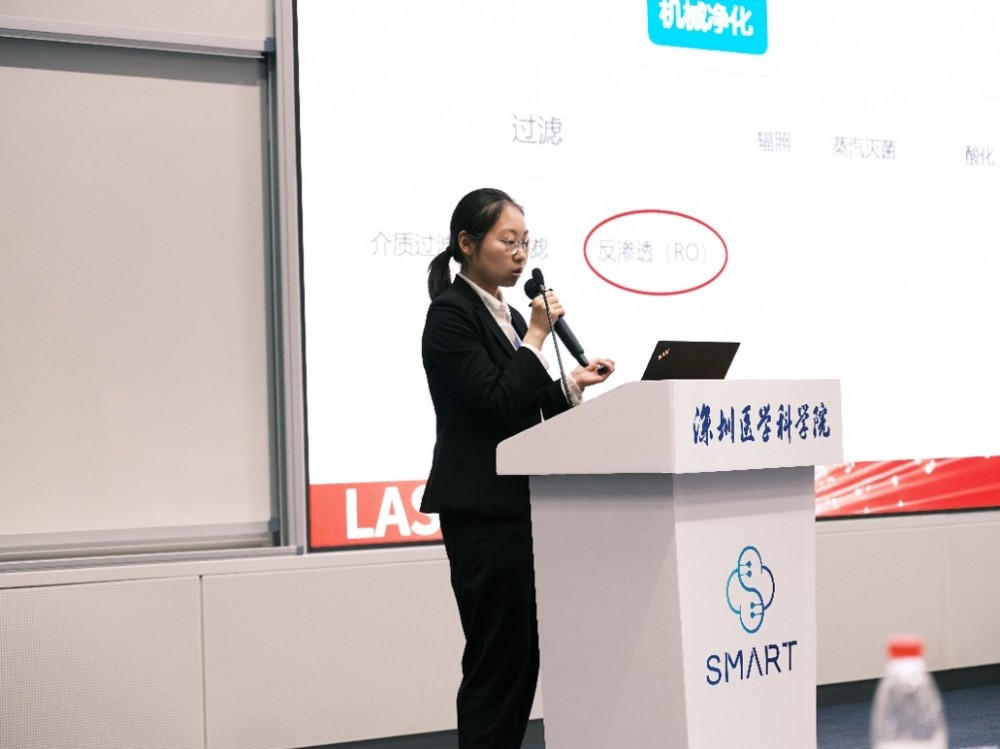
E. NAMs and Digital Twin Technologies
Lorenzo Zanella | Establishment of NAMs and Digital Twin Mouse Models
The session explored how digital twin technologies and NAMs can be integrated to bridge traditional in vivo research with next-generation predictive modelling, offering new possibilities for more efficient and translational biomedical research.
Beyond technological innovation, the course also addressed the broader challenges and opportunities shaping the future of laboratory animal science.
A. Building and Managing World-Class Animal Facilities
Drawing on extensive operational experience, Wangjie Xu, Deputy Director of the Department of Laboratory Animal Science at Shanghai Jiao Tong University, shared practical insights into facility planning, construction, operation, and continuous optimisation.
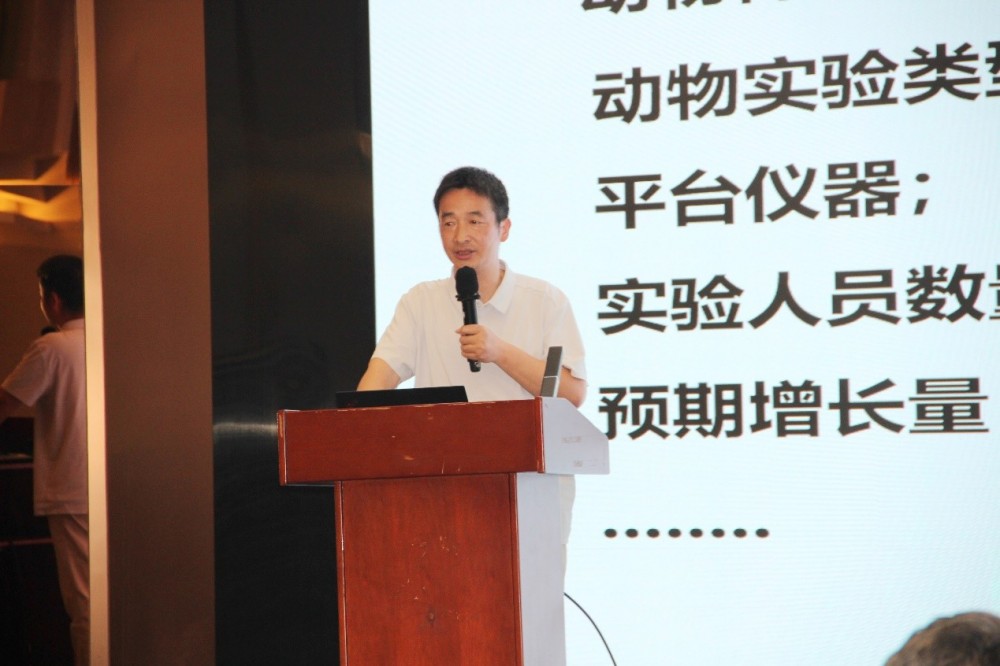 From a digital transformation perspective, Zai Chang, Executive Deputy Director of the Laboratory Animal Research Center at Tsinghua University, presented the centre’s smart operations framework, demonstrating how digital technologies can enhance resource utilisation, improve operational efficiency, and strengthen overall management performance.
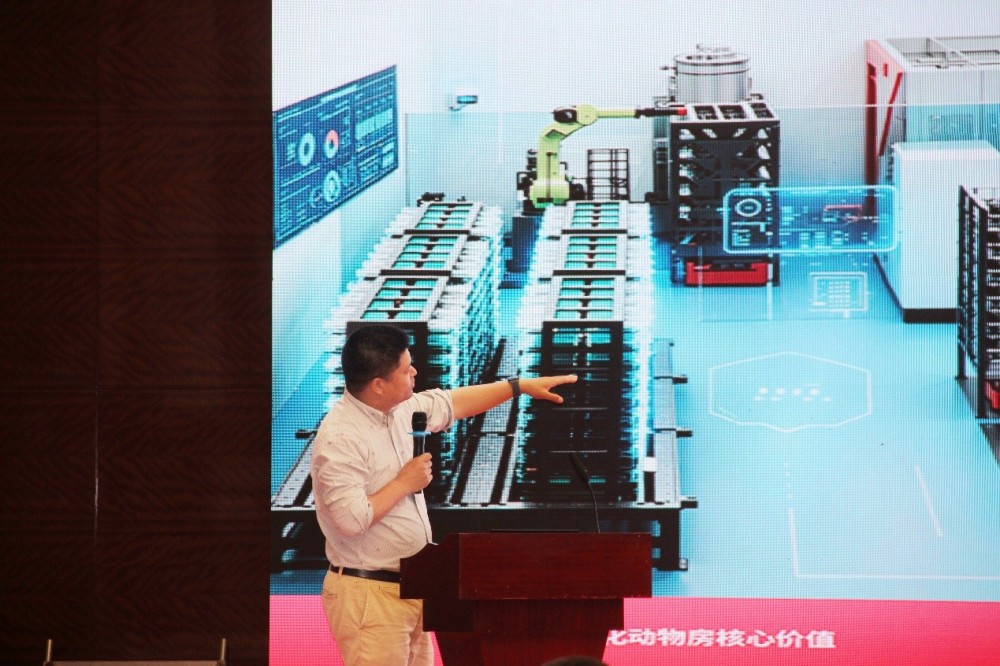
B. Strengthening Occupational Health and Safety
As laboratory animal facilities become increasingly advanced, ensuring a safe and healthy working environment remains a top priority. Hufeng Xu, Associate Research Fellow at the Beijing Chaoyang Hospital Medical Research Center, shared practical approaches to identifying occupational hazards and improving day-to-day safety practices in laboratory operations.
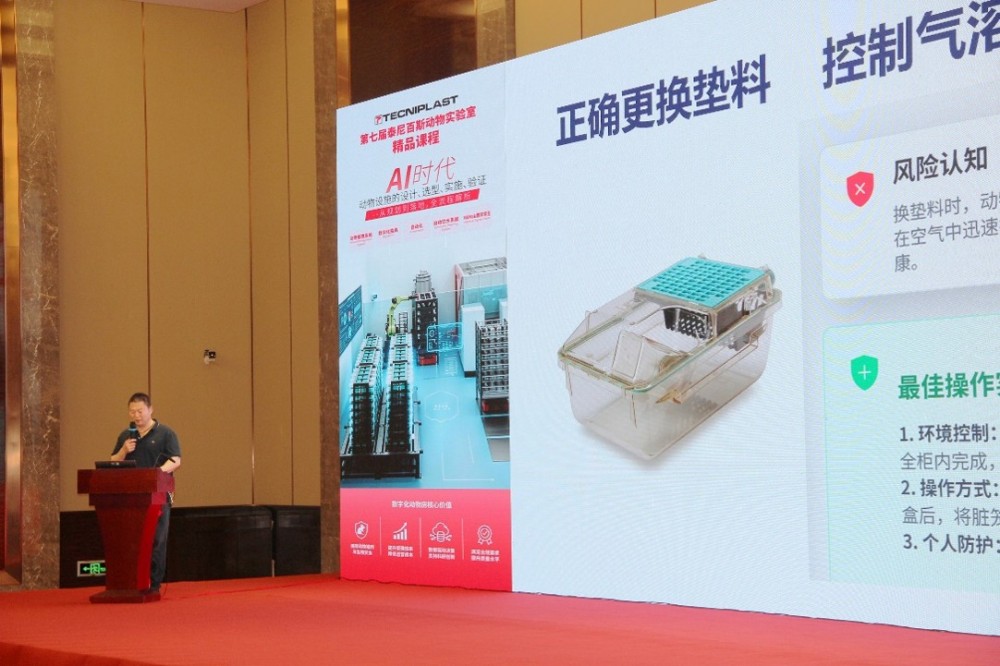 In addition, Connie Leung, Associate Director of the Comparative Medicine Research Centre at the Li Ka Shing Faculty of Medicine, The University of Hong Kong, provided an international perspective by presenting the university’s experience in developing a comprehensive occupational health and safety framework for laboratory animal research programmes.
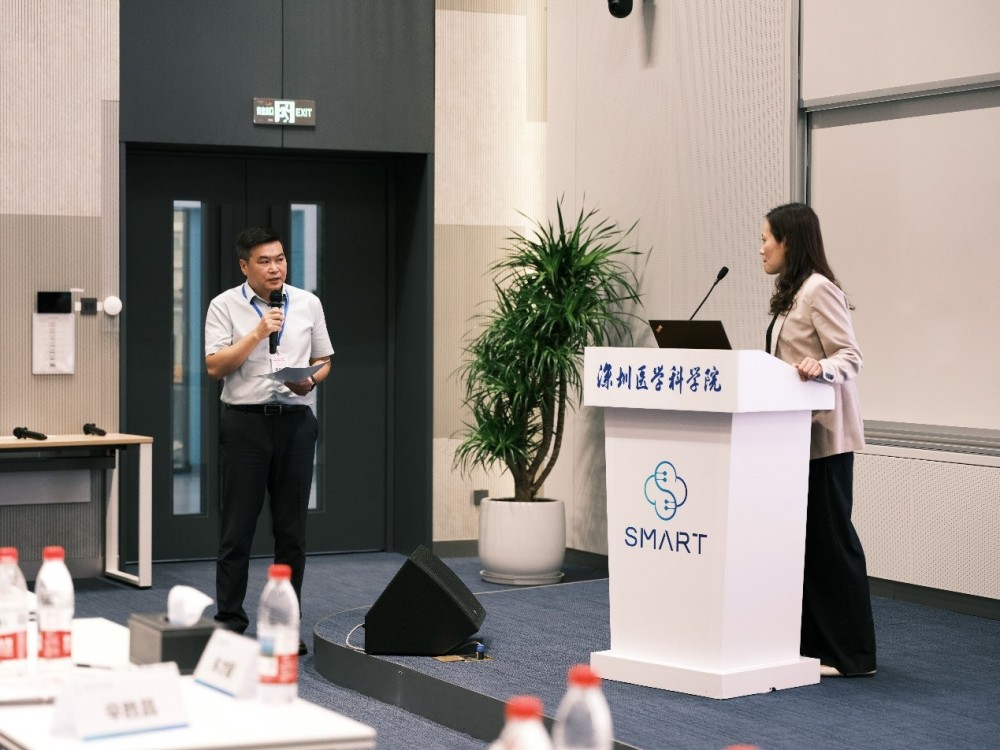 C. NAMs and Organoids: Competitors or Collaborators?
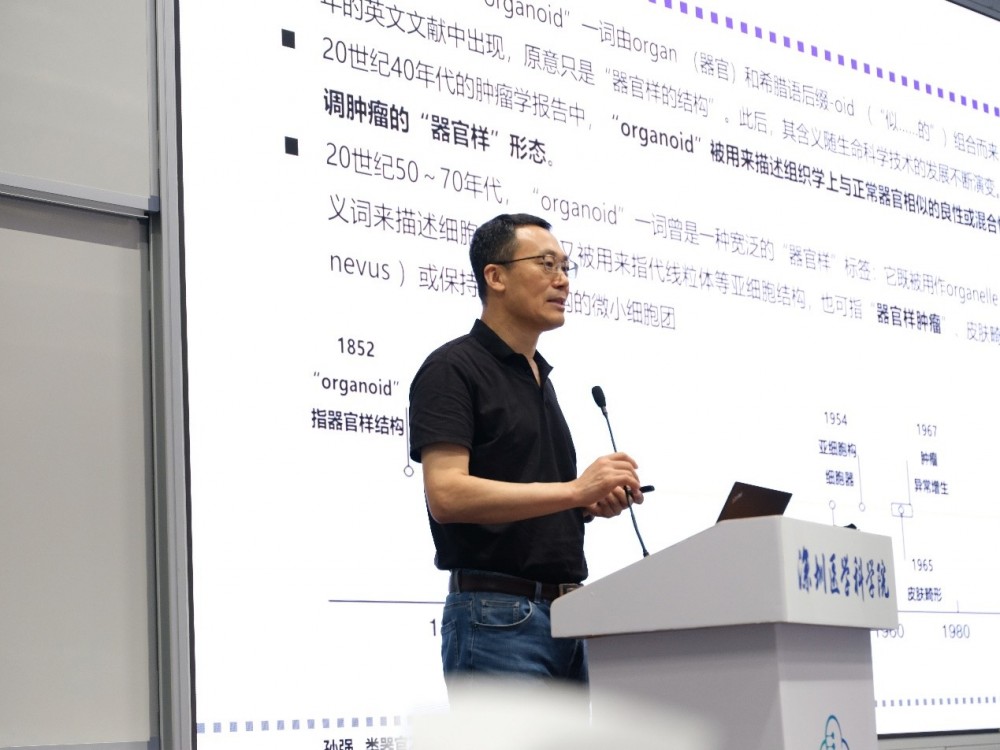
One of the most anticipated sessions featured Qiang Sun, Professor and PhD Supervisor at Sun Yat-sen University.
The presentation explored the growing role of organoid technologies in biomedical research, examining both their potential and inherent limitations. Rather than framing the discussion in terms of replacement, it highlighted the complementary roles that organoids and animal models are likely to play within future research ecosystems.
The key takeaway was clear: scientific progress will depend on the integration of multiple methodologies, each contributing distinct strengths to address increasingly complex biological questions.
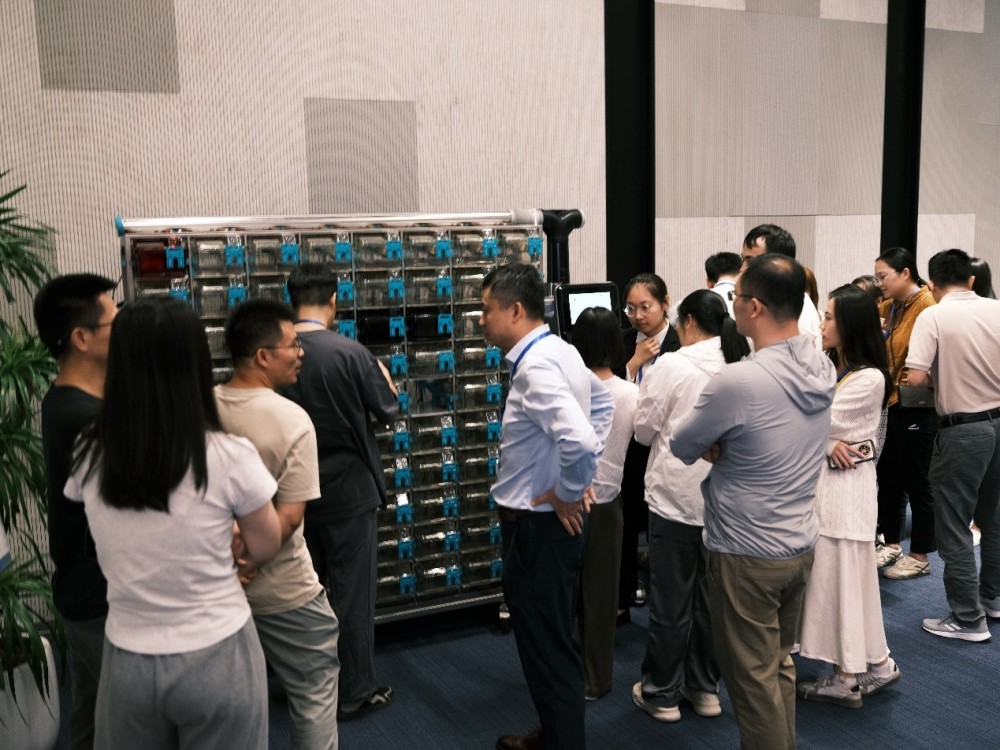
Alongside the course programme, participants also had the opportunity to experience Tecniplast’s DVC® technology, one of the industry’s most advanced digital monitoring solutions.
The DVC® system transforms traditional rodent housing into a powerful data-driven research tool. With continuous 24/7 monitoring of animal activity, flooding detection, bedding condition detection, food/water detection, welfare sensing capability and environmental conditions, DVC® enables researchers and animal care staff to make informed decisions without disturbing the animals. Its non-intrusive design, real-time alerts, and seamless integration with facility workflows promote both animal welfare and operational efficiency. By joining the DVC® revolution, institutions gain a scalable, smart infrastructure that supports reproducible science, enhanced welfare, and next-generation vivarium management.
 05.Looking Forward
Laboratory animal facilities are evolving beyond their traditional role as sites for conducting research. Increasingly, they are becoming interconnected ecosystems where data, technology, and scientific expertise converge to accelerate discovery. AI, digitalisation, automation, NAMs, and digital twin technologies are collectively redefining what is possible in laboratory animal science.
However, technology alone does not determine progress. The future of the field will depend on how innovation is applied in practice, how collaboration is fostered across disciplines and organisations, and how effectively new capabilities are translated into meaningful scientific outcomes.
As a global leader in laboratory animal science solutions, Tecniplast China remains committed to supporting the research community through continuous innovation, strategic partnerships, and knowledge exchange. Together with our partners, customers, and industry colleagues, we will continue to explore new possibilities and shape the future of laboratory animal science.




 Corporate
 Italia
 Australia/New Zealand
 France
 Germany
 Japan
Japan USA
USA Canada
 UK
UK China
China Switzerland