
The current version of the Tecniplast website doesn't match your region. Please visit your local website to find information and offerings specific to your country.
The current version of the Tecniplast website doesn't match your region. Please visit your local website to find information and offerings specific to your country.


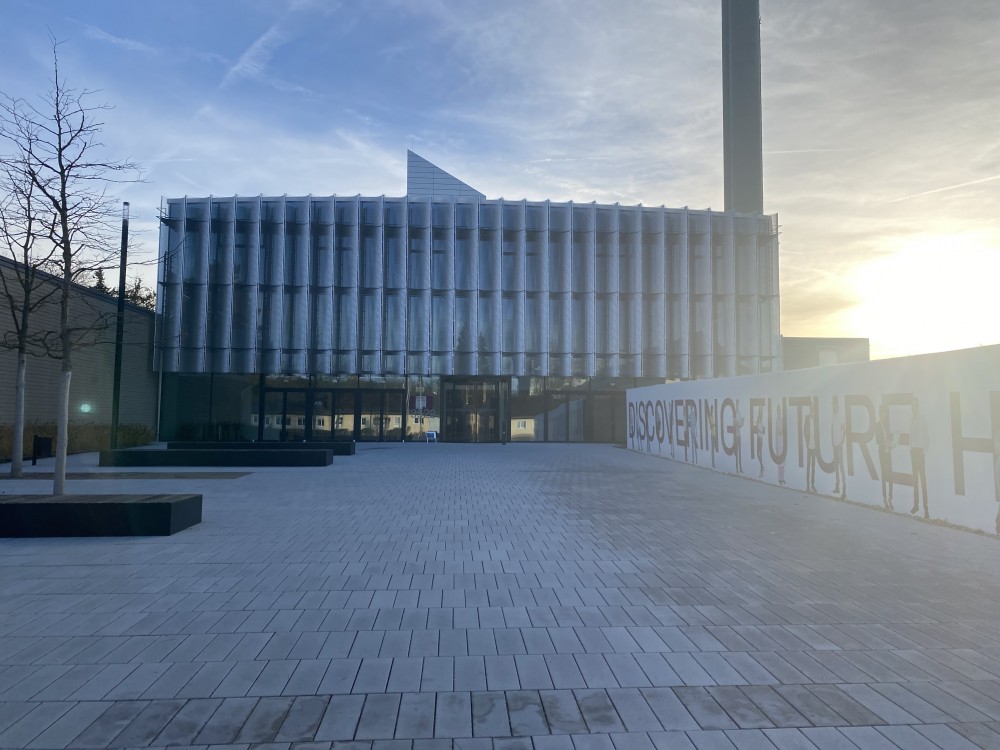 When entering the new Conference Center of Helmholtz Munich that morning, one thing was immediately palpable: tension, anticipation, and curiosity were in the air. More than 40 participants from across Germany, Austria, and Switzerland came together to discuss a topic that is gaining increasing relevance and shaping the modernization of animal facilities: sustainable renovation within existing infrastructures instead of new construction.
Already during the first cups of coffee, it became clear what this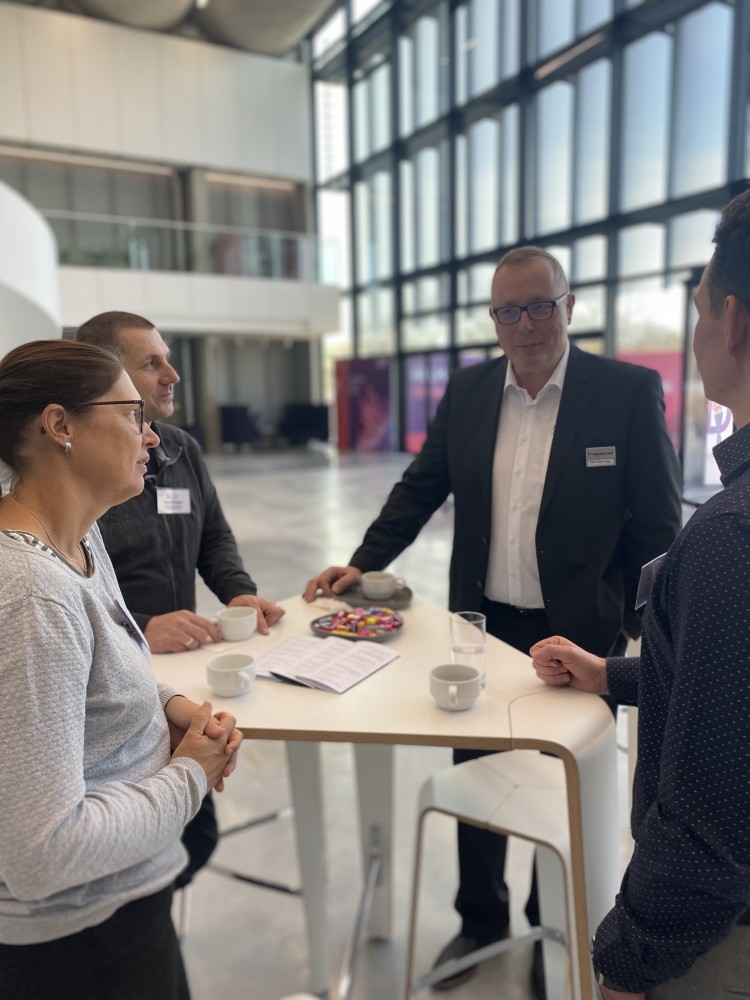 forum stands for: exchange at eye level. Animal care staff, facility managers, technical specialists, and those responsible for animal facilities engaged in conversation. It was about real experiences: workflows, bottlenecks, technical solutions, pragmatic procedures.
The content-related opening set the tone for the day. From the challenges faced by large research institutions to the role of automated processes, and the question of how digital systems can contribute to saving resources and simplifying procedures – the presentations were far more than theoretical. They were honest. Practical. Directly from everyday routine. Particularly impressive was the perspective from Helmholtz Munich itself: viewing a renovation project of this scale from the client’s perspective demonstrated vividly how complex – but also how solvable – technical and organizational challenges can be.
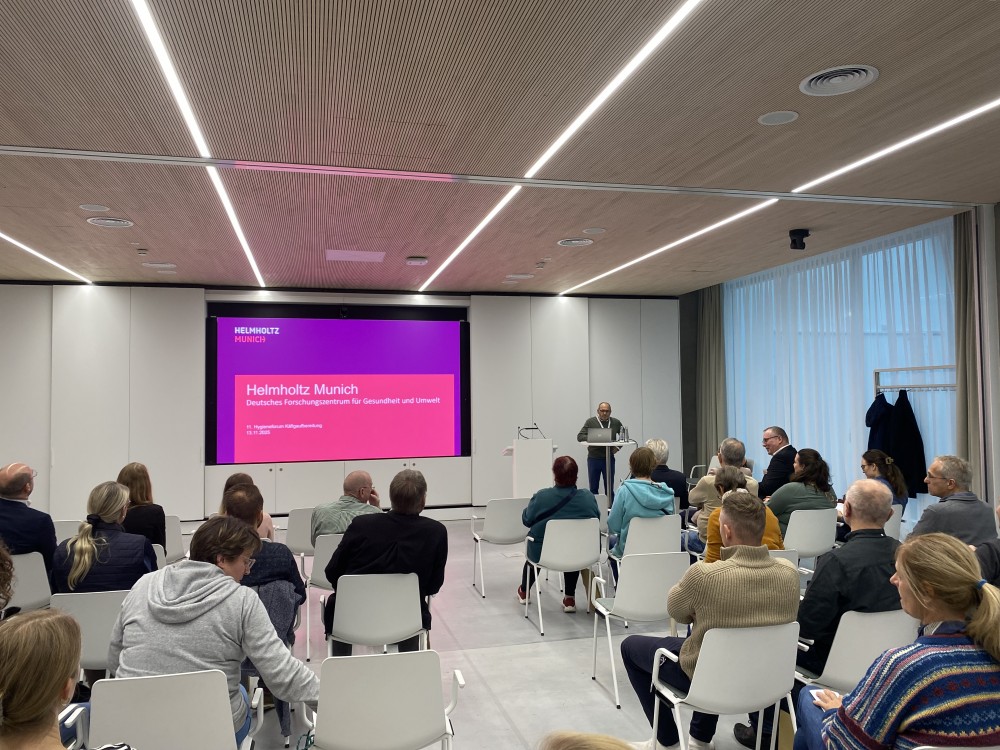 Further impulses included insights into the conversion of traditional steam infrastructures to modern electrical systems, as well as the question of how automation and digital connectivity can sustainably contribute to resource efficiency and stable processes.
In the afternoon, theory became lived practice. The participants toured the different cage wash facilities of the animal facility at Helmholtz Munich – spaces one normally only sees from the inside when working there. The tour was one of the most intense moments of the day: standing in front of running systems, directly next to robotics, dosing technology, cage logistics, and work areas where every second counts. It was about renovation within existing operations without downtime, about energy flows, pipeline routes, noise, heat, walking paths, and the question of how to design technology in a way that supports people – not the other way around.
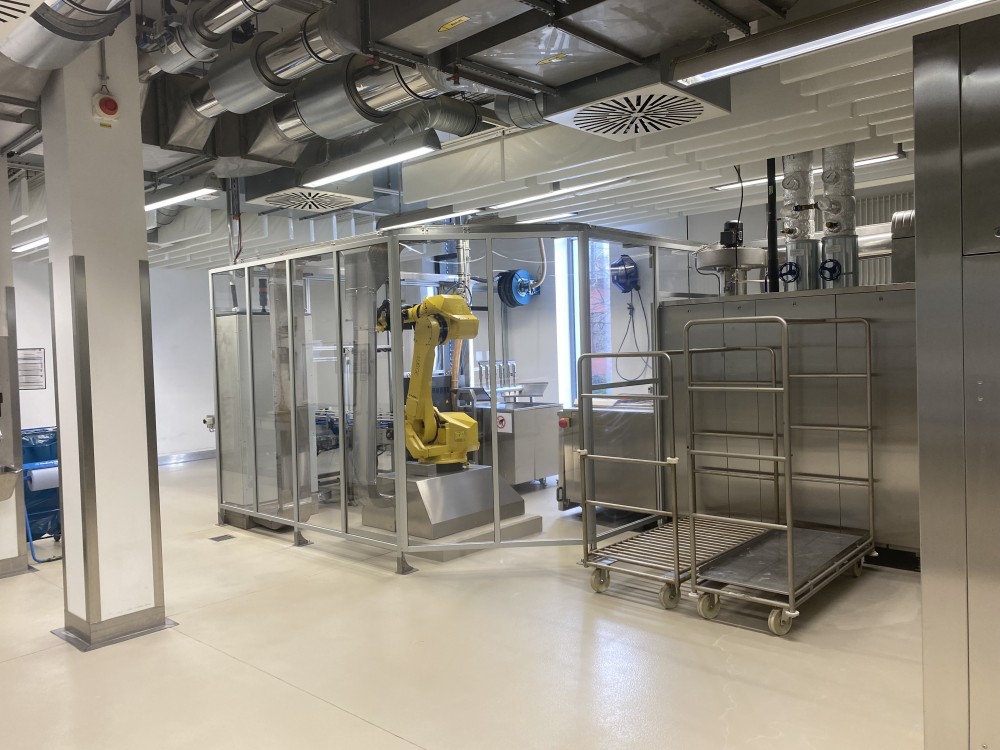 The fact that this exchange worked so dynamically was primarily thanks to the cage wash staff of Helmholtz Munich: with remarkable precision, calmness, and competence, the employees guided participants through their daily work – every motion became understandable, traceable, and tangible. Dr. Brielmeier complemented these insights with remarkable depth drawn from years of experience. This combination of practical knowledge, experience, and sincere openness was the true highlight of the day.
For good cage wash facilities are not created on paper, but through dialogue between practice and technology.
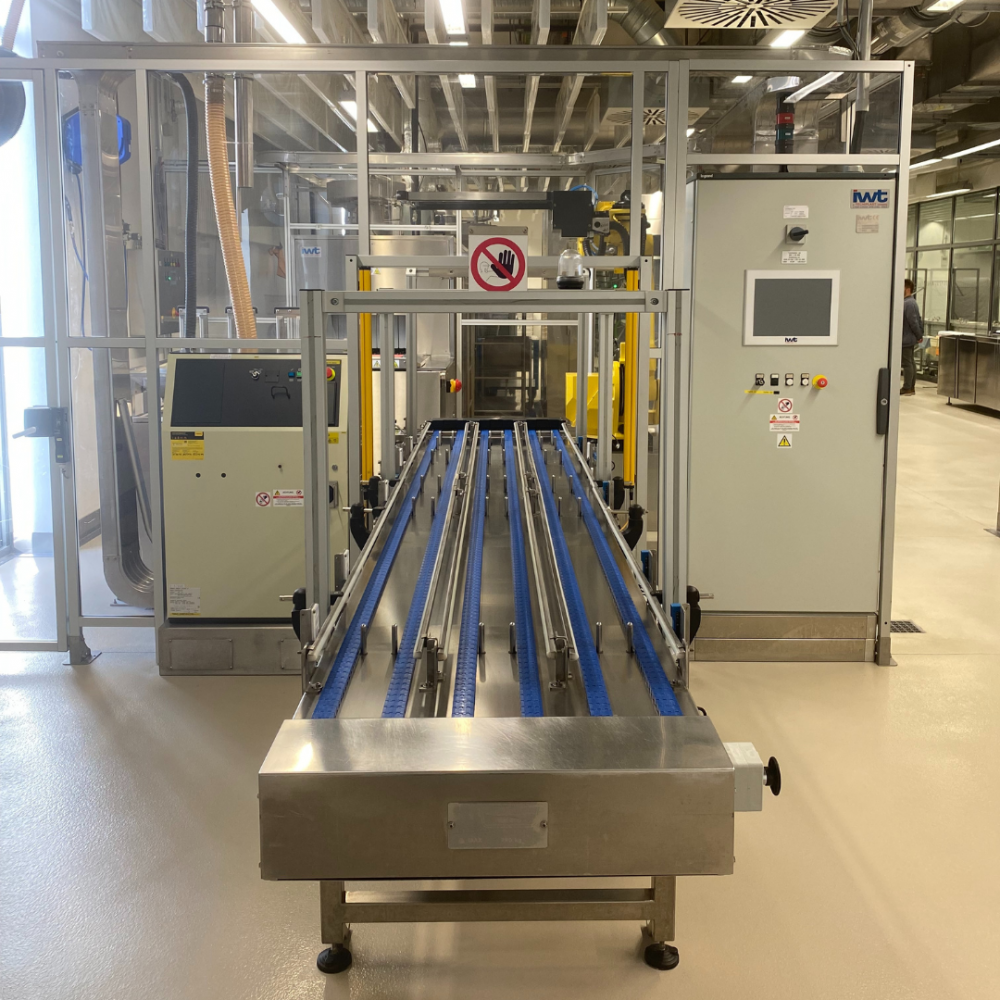 When the day came to an end, what remained was not only knowledge and impressions, but also the sense that sustainable cage wash renovation is far more than technology. It is an interplay of people, workflows, experience, and the courage to embrace change. And it succeeds best when people learn from one another – exactly as happened on this day.
The Hygiene Forum Cage Processing 2025 showed that we can achieve more together: better workplaces, more efficient processes, and animal facilities that take the future seriously.
It was not just a meeting – it was a shared step into the future.
- Written by Eliana Belkner




 Corporate
 Italia
 Australia/New Zealand
 France
 Germany
 Japan
Japan USA
USA Canada
 UK
UK China
China Switzerland